If you let a property with gas appliances, you are legally required to have them checked every year by a Gas Safe registered engineer and to give your tenants a copy of the result. Most people call this document a gas safety certificate or a CP12. Its official name is a Landlord Gas Safety Record.
This guide explains what the annual check involves, the deadlines you need to meet, what happens if a fault is found and how to keep on top of it if you manage more than one property. It is based on the Gas Safety (Installation and Use) Regulations 1998 and guidance from the Health and Safety Executive (HSE) and Gas Safe Register.
What Is a CP12 Certificate?
CP12 stands for CORGI Proforma 12, the form gas engineers filled in before Gas Safe Register replaced CORGI in 2009. The name stuck, even though the legal document is now called a Landlord Gas Safety Record (LGSR). Whether your letting agent asks for a CP12, a gas cert or an LGSR, they mean the same thing.
It is a written record of an annual safety check on the gas appliances, fittings and flues you provide for your tenants. It shows what was checked, whether each item is safe to use and any defects the engineer found.
Do Landlords Need a Gas Safety Certificate?
Yes. Under regulation 36 of the Gas Safety (Installation and Use) Regulations 1998, landlords must:
- Keep the gas pipework, appliances and flues they provide in a safe condition
- Have every gas appliance and flue they provide checked for safety every 12 months by a Gas Safe registered engineer
- Keep a record of each safety check
- Give tenants a copy of the record within the legal timescales
The rules cover most residential lets, including houses and flats, HMOs, rooms let to lodgers and rented holiday accommodation. If a letting agent manages the property for you, make sure your agreement states clearly who arranges the annual check, so nothing falls between you.
What Does a Landlord Gas Safety Check Cover?
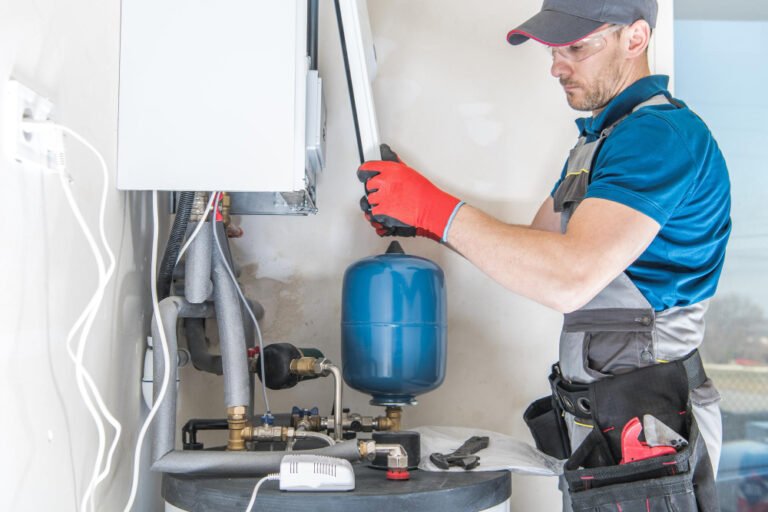
The engineer checks each gas appliance and flue that you, as the landlord, supply. In a typical St Albans rental that usually means a combi or system boiler, a gas hob or cooker and sometimes a gas fire. During the visit they will check that:
- Each appliance is working to the manufacturer’s settings for gas pressure or heat input
- There is enough air supply for the gas to burn properly
- The flue or chimney is carrying the products of combustion safely out of the property
- Safety devices on the appliance are working as they should
- There are no visible signs of an appliance working unsafely, such as staining, scorching or damage
Many engineers also carry out a tightness test on the gas installation, which shows whether gas is escaping anywhere along the pipework.
Is a Gas Safety Check the Same as a Boiler Service?
No, and this catches a lot of landlords out. The safety check confirms an appliance is safe to use on the day. A boiler service goes further, cleaning and inspecting the internal parts so the boiler stays reliable and efficient, and an annual service is normally a condition of the manufacturer’s warranty. Booking both on the same visit saves you arranging access twice. Our guide on how often you should service your boiler explains what a service includes.
What About Appliances Your Tenant Owns?
You are not responsible for safety checking an appliance your tenant owns and brings into the property, such as their own gas cooker. You are still responsible for the gas pipework that serves it. It is sensible to list in the tenancy agreement which gas appliances belong to you, so everyone knows what the annual check covers.
Key Deadlines Every Landlord Should Know
| Requirement | Deadline |
|---|---|
| Annual gas safety check | Every 12 months |
| Copy of the record for existing tenants | Within 28 days of the check |
| Copy of the record for new tenants | Before they move in |
| Keeping the record | At least 2 years |
| Early renewal window | Up to 2 months before the due date, keeping your original renewal date |
The early renewal window works much like an MOT. If you have the check done in the two months before the deadline, the new record runs on from the original expiry date rather than the day of the visit, so your renewal date does not creep earlier every year. HSE advises that if you use this flexibility you keep each record until two further checks have been carried out, so you can show the timescales were met.
You can store records electronically and send them to tenants by email, as long as the tenant agrees and can access them that way. You must still provide a paper copy if a tenant asks for one.
What Happens If the Engineer Finds a Fault?
The engineer will still issue the record once the checks are complete, listing any defects found. What happens next depends on how serious the fault is. Gas Safe registered engineers follow the Gas Industry Unsafe Situations Procedure, which puts unsafe appliances into three categories:
- Immediately Dangerous (ID): the appliance is a risk to life or property right now. The engineer will ask permission to disconnect it and will attach a warning label. It must not be used until it has been repaired.
- At Risk (AR): one or more faults could become dangerous. The engineer will normally ask to turn the appliance off and will advise on the repair needed.
- Not to Current Standards (NCS): the appliance is not unsafe, but it does not meet current standards. It can usually stay in use and the engineer will recommend an upgrade.
As the landlord, you are responsible for having safety-related defects put right. Keep a record of the remedial work alongside the original gas safety record so the paper trail is complete.
Carbon Monoxide and Smoke Alarms in Rented Homes
Since 1 October 2022, landlords in England must fit a carbon monoxide alarm in any room used as living accommodation that contains a fixed combustion appliance, apart from gas cookers. That includes rooms with a gas boiler or gas fire. You also need a working smoke alarm on every storey, and you must repair or replace an alarm once you are told it is faulty. The government’s guidance for landlords sets out the detail.
A carbon monoxide alarm does not replace the annual gas safety check, but it is an important second line of protection. Carbon monoxide has no colour, smell or taste, which is exactly why these rules exist.
What If You Do Not Have a Valid Gas Safety Record?
Failing to arrange the annual check, keep the record or give tenants a copy is a criminal offence, and HSE can prosecute. Letting agents, insurers and mortgage lenders will also usually expect to see a current record, so a lapsed one can cause problems well beyond the legal risk.
If a tenant will not let the engineer in, you must be able to show you took all reasonable steps to carry out the check. Keep a note of every attempt to arrange access, such as letters, emails and missed appointments.
How to Make the Annual Check Straightforward
- Set a reminder for around ten months after each check, so you can book inside the two-month window
- Book the gas safety check and the boiler service together to save a second visit
- Ask for the record by email so you can forward it to your tenants straight away and keep a copy on file
- Give tenants a clear way to report a fault, a smell of gas or a carbon monoxide alarm going off, and point them to our boiler not working checklist for simple checks they can make safely
- Check the engineer’s Gas Safe ID card and confirm on the Gas Safe Register website that they are qualified for the types of appliance in your property
If you or your tenant can smell gas, call the National Gas Emergency Service free on 0800 111 999 straight away, then get an engineer to investigate the cause. We also provide emergency gas leak response across St Albans.
Frequently Asked Questions
How Long Does a Gas Safety Certificate Last?
A Landlord Gas Safety Record covers 12 months. You can renew it up to two months early without losing your existing renewal date.
Do I Need a CP12 for a Property With No Gas?
No. The gas safety rules only apply where there is a gas installation. A home heated by an electric boiler with no gas appliances does not need a Landlord Gas Safety Record, although landlords in England still need an electrical safety inspection at least every five years.
Can I Do the Gas Safety Check Myself?
Not unless you are a Gas Safe registered engineer qualified for those appliances. Records issued since April 2009 are only valid if the engineer is on the Gas Safe Register.
Who Keeps the Original Record?
You do. Keep it for at least two years, or until two further checks have been done if you use the early renewal window, and give your tenants a copy.
Book a Landlord Gas Safety Check in St Albans
HEAT Gap is a family-run, Gas Safe registered heating and gas business based in St Albans. We carry out landlord gas safety certificates for private landlords and letting agents across St Albans and nearby Hertfordshire towns, and we can look at booking your boiler service at the same time. Every job is quoted at a fixed price agreed before any work starts.
Request a free quote or call us on 07507 554236 to book your next check.