A leaking pipe is stressful, whether it is water dripping through a ceiling or spraying from under the sink, but what you do in the first few minutes makes a big difference to how much damage is done. A small leak can usually be stopped at the stopcock in seconds. A burst pipe left running can soak floors, ceilings and electrics in the time it takes to find a plumber’s number.
Here is what to do, in order, if you have a burst or leaking pipe at home.
Step 1: Turn Off the Water at the Stopcock
The stopcock, also called the internal stop tap, controls the mains water coming into your home. Turn it clockwise until it stops. In most houses it is in one of these places:
- Under the kitchen sink
- Near the front door or under the stairs
- In a downstairs toilet, utility room or garage
- In a flat, often in a kitchen or airing cupboard, or sometimes in a communal area
If the stopcock is seized, do not force it hard enough to snap it. There is usually an outside stop tap under a small cover in the pavement or near your boundary, but it needs a long stop tap key and in some streets it also serves neighbouring homes. If you cannot turn the water off, call a plumber straight away.
Worth doing today: find your stopcock and check it turns, so you are not searching for it with water pouring through the ceiling.
Step 2: Keep Water Away From Electrics
Water and electricity are the biggest danger in any leak. If water is near sockets, light fittings or your consumer unit, do not touch them. If you can reach the consumer unit without standing in water and your hands are dry, switch off the electricity. If not, keep everyone out of the affected room and call an electrician.
Stay out from under a ceiling that is bulging or sagging with water, as it can give way without much warning.
Step 3: Drain the Water Left in the Pipes
Even with the stopcock off, the pipes still hold water. To empty them and take the pressure off the leak:
- Open the cold taps in the kitchen and bathroom
- Flush the toilets
- Turn off the boiler or immersion heater, then open the hot taps to drain the hot water
If your home has a cold water tank in the loft, the leak may keep running until the tank is empty. Opening the bath taps drains it faster.
Step 4: Find the Leak and Contain It
Put buckets and towels down, move furniture and valuables, and lift rugs if you can. Then try to find where the water is coming from.
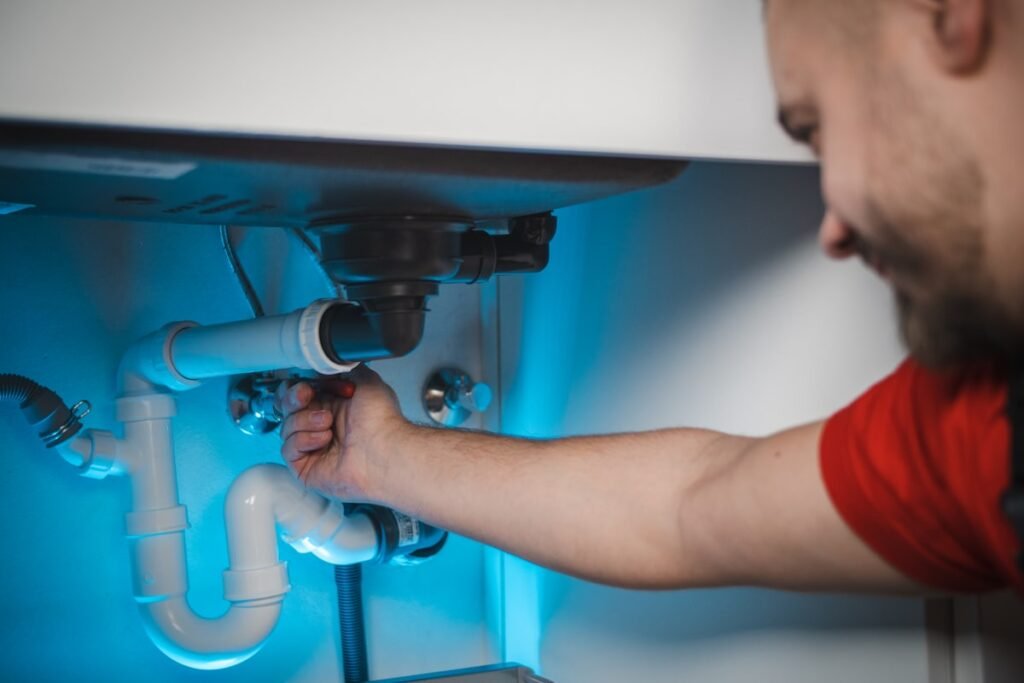
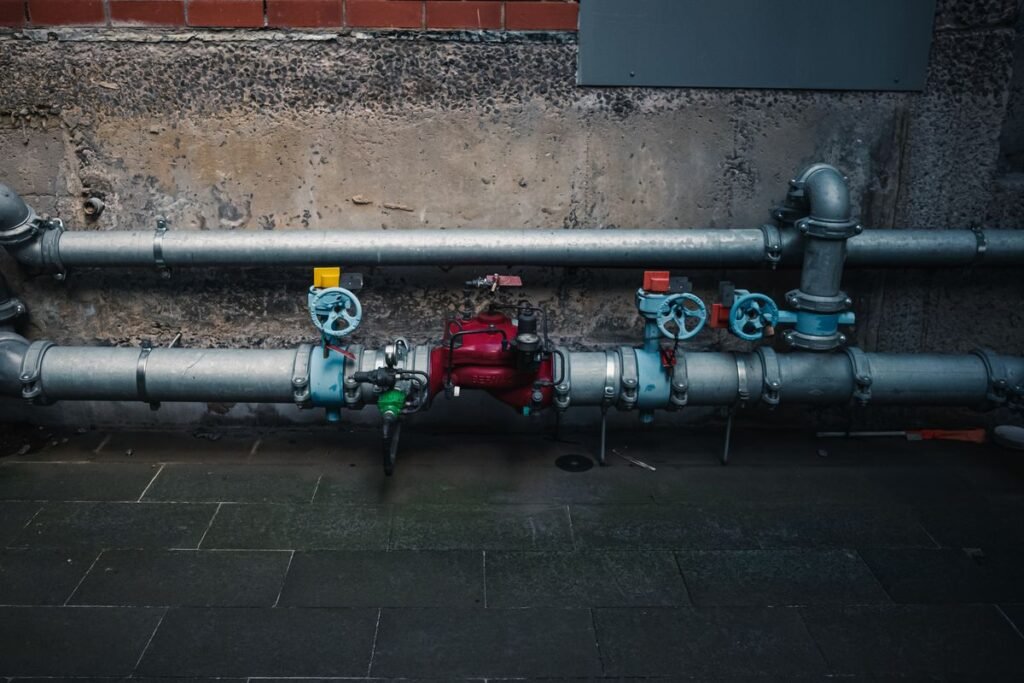
If the leak is on a pipe feeding an appliance, such as a toilet, basin, washing machine or dishwasher, there is often a small isolation valve on the pipe. Turning the slot a quarter turn with a flat screwdriver, so it sits across the pipe, shuts off the supply to that appliance and lets you turn the rest of the house back on.
For a pinhole leak or a weeping joint, pipe repair tape or a pipe repair clamp from a DIY shop can hold things temporarily. Treat these as a stopgap until the pipe is properly repaired.
Step 5: Record the Damage
Take photos and videos of the leak and any damage before you start clearing up, and keep receipts for anything you buy. If you are going to claim on your home insurance, contact your insurer early. Cover for finding a hidden leak varies between policies, so check what yours includes.
If you rent, tell your landlord or letting agent as soon as possible.
Is the Leak From a Water Pipe or a Heating Pipe?
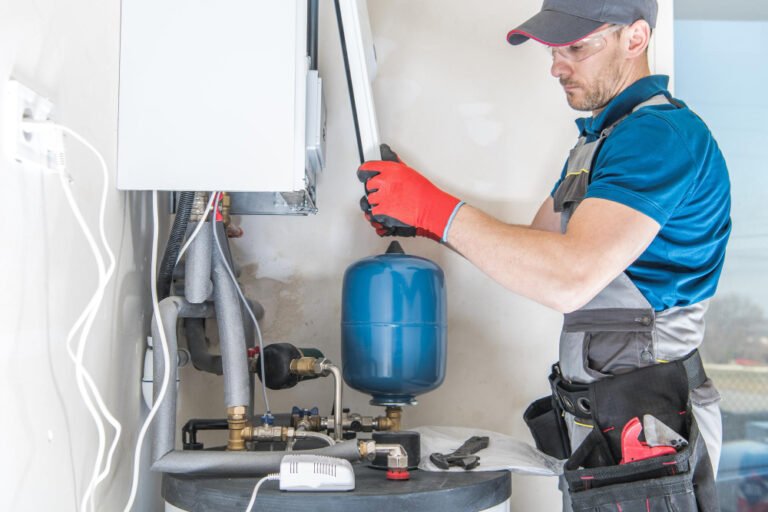
This matters because the stopcock will not stop a leak on most modern heating systems. Combi and system boilers run on a sealed heating circuit that is separate from the mains water.
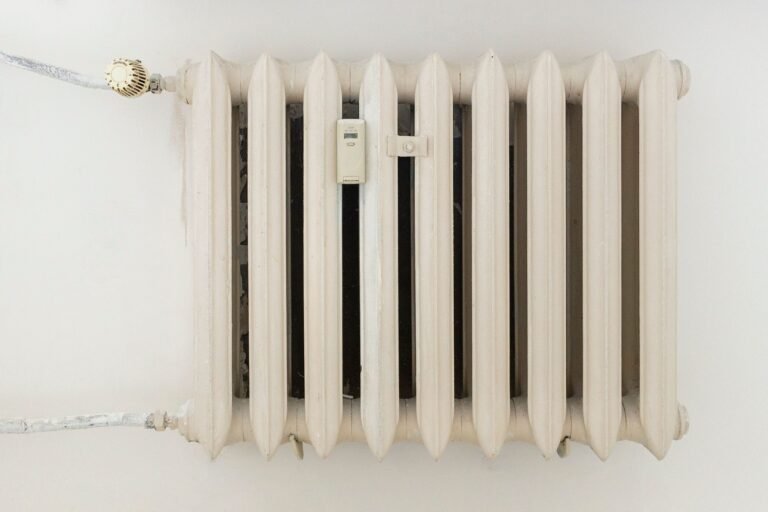
If water is coming from a radiator, a radiator valve or the pipes running to it, turn the heating off at the boiler and let it cool. You can often isolate a single leaking radiator by closing the valves on both ends. Keep an eye on the boiler pressure gauge too. If it is dropping, the leak is on the heating side, and our guide on why a boiler loses pressure explains what to look for.
Why Pipes Burst in Winter
When water freezes it expands, and the pressure that builds up can split a copper pipe or push a joint apart. The damage often only shows once the ice thaws and water starts flowing again. Pipes most at risk are those in lofts, garages, outbuildings, under suspended floors and on cold outside walls.
A few simple steps reduce the risk:
- Lag exposed pipes and the cold water tank in the loft
- Keep the heating on a low or frost setting if you are away during cold weather
- Turn off and drain your outside tap before winter, and fit a cover. If yours has no isolation valve inside, a garden tap installation can add one
- Fix dripping taps and overflows, which can freeze and block
If a pipe has frozen but not split, thaw it gently with a hot water bottle or a hairdryer on a low setting, starting at the end nearest the tap. Never use a blowtorch or any naked flame. If your boiler has stopped in freezing weather, a frozen condensate pipe is the likely cause, and our guide to a boiler that is not working explains how to thaw it safely.
Signs of a Hidden Leak
Not every leak announces itself with a puddle. Water can escape under floors or inside walls for weeks. Look out for:
- Damp patches, staining or bubbling paint on walls and ceilings
- A musty smell or mould appearing where it has not before
- The sound of running water when every tap is off
- Your water meter still moving with nothing in use
- A sudden rise in your water bill or a drop in water pressure
- Boiler pressure that keeps falling
Our water leak detection service can trace hidden leaks with as little disruption to your home as possible.
Whose Responsibility Is the Leaking Pipe?
As a homeowner, you are responsible for the plumbing inside your home and for the supply pipe that runs from your property boundary to the house. The water company is responsible for the communication pipe that connects your supply to the water main in the street. Affinity Water’s leakage guide explains this split for homes in its area, which includes St Albans.
If you see water coming up through the road or pavement, report it to the water company rather than calling a plumber.
When to Call an Emergency Plumber
Some leaks can wait for a booked appointment once the water is off. Call for urgent help if:
- You cannot turn the water off, or the stopcock is broken
- Water is reaching electrics or coming through a ceiling
- The leak is on the heating system and you cannot isolate it
- You have no water at all, or no heating in cold weather
- Water is coming from a hidden pipe you cannot get to
Our emergency plumbing line is answered 24/7. For leaks and repairs that are not urgent, see our general plumbing service.
Frequently Asked Questions
How Do I Turn Off the Water in a Flat?
Look for the stopcock in the kitchen, bathroom, airing cupboard or a cupboard by the front door. Some flats share a stopcock in a communal area, so if you cannot find yours, ask your landlord, managing agent or building manager now rather than during a leak.
Can I Fix a Leaking Pipe Myself?
A dripping compression fitting can sometimes be stopped by tightening the nut a quarter turn, and repair tape or a clamp can hold a small leak for a short time. A split or corroded pipe should be cut out and replaced properly by a plumber.
Should I Turn Off My Boiler During a Leak?
Yes, if the leak is anywhere near the boiler or on the heating pipework, or if you have turned off the mains to a combi boiler. Switch it off at the controls and do not turn it back on until the leak has been repaired.
Need a Plumber in St Albans?
HEAT Gap is a family-run plumbing and heating business based in St Albans. Our engineers are fully insured, all work is guaranteed, and we agree a fixed price with you before any work starts. Whether you need a burst pipe repaired tonight or a slow leak tracked down next week, we can help.
Request a free quote or call 07507 554236. Emergency calls are answered 24 hours a day.